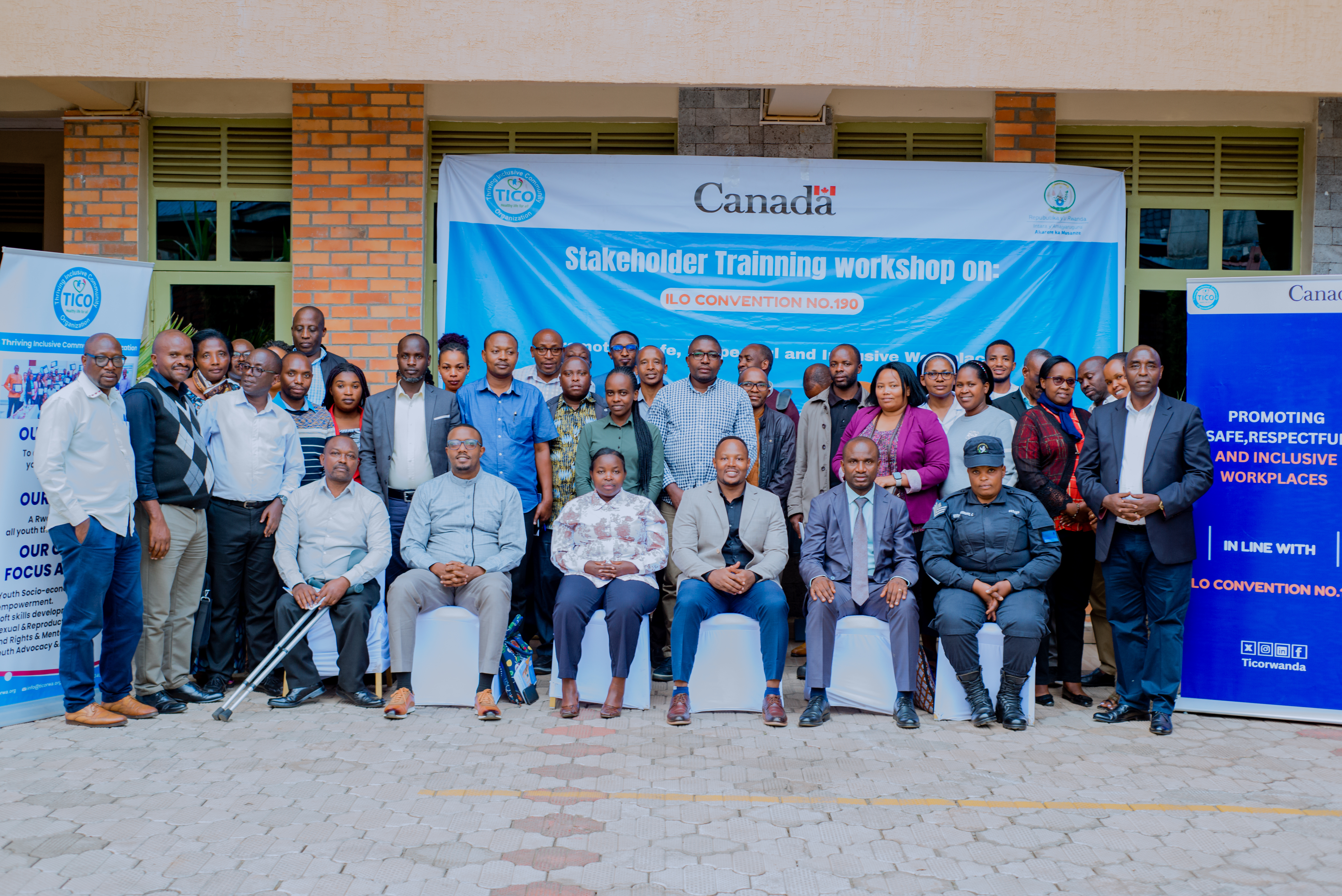
For participants who gathered in Musanze District on 4–5 August 2026, the answer went beyond simply having rules and policies. A safe workplace is one where people can do their jobs without fear of violence, harassment or discrimination, and where everyone is treated with dignity and respect.
This was the focus of a two-day stakeholder training on Promoting Safe, Respectful and Inclusive Workplaces in line with ILO Convention No. 190.
Organized by TICO with support from the High Commission of Canada in Rwanda, the training brought together representatives from government institutions, employers and the private sector, workers and their representatives, civil society organizations and other stakeholders.
Speaking about the importance of the initiative, Mr. Egide Habinshuti, Executive Director of TICO, emphasized that creating safer workplaces requires collective commitment and practical action from all stakeholders.
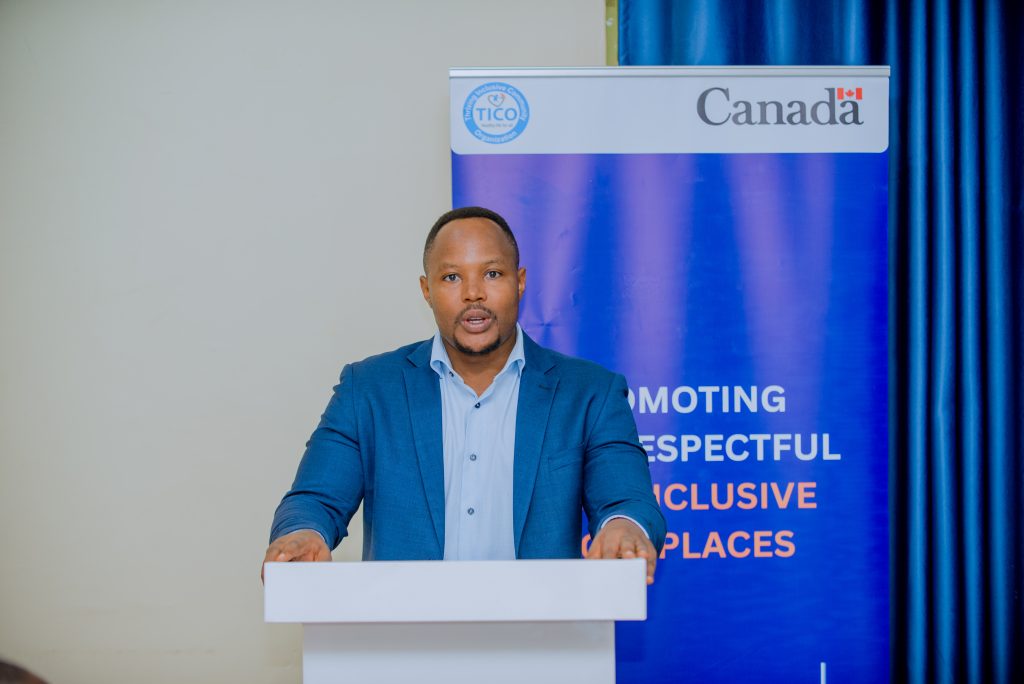
“Building workplaces free from violence and harassment requires more than policies. It requires awareness, accountability and collective action to ensure that everyone can work in an environment where they feel safe, respected and valued.”
The training was not only about listening to presentations. Participants had the opportunity to share experiences, ask questions and discuss situations that can happen in real workplaces.
They explored different forms of violence and harassment, including physical and psychological violence, sexual harassment, verbal abuse, economic violence and gender-based violence. Through case studies, group discussions and role plays, participants also looked at why some people may be afraid to report what they experience.
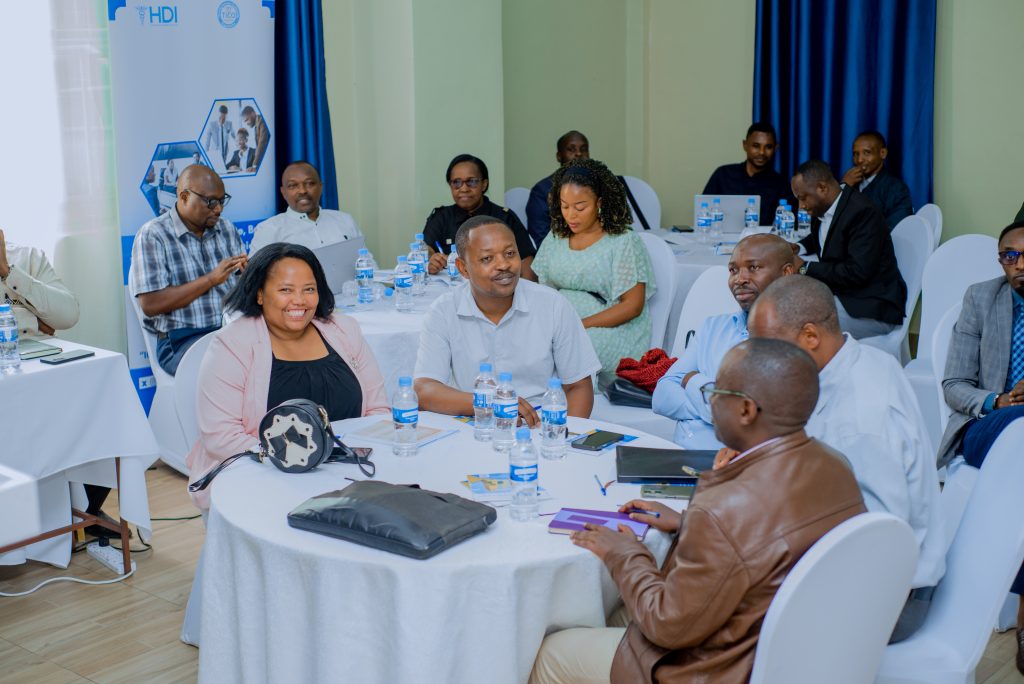
These conversations helped bring the subject closer to everyday workplace realities.
One of the issues that received particular attention was fear of reporting and retaliation. Participants discussed how fear, stigma or uncertainty about where to report can prevent people from speaking up, allowing harmful behavior to continue.
Understanding the problem is important, but knowing what to do about it is even more important.
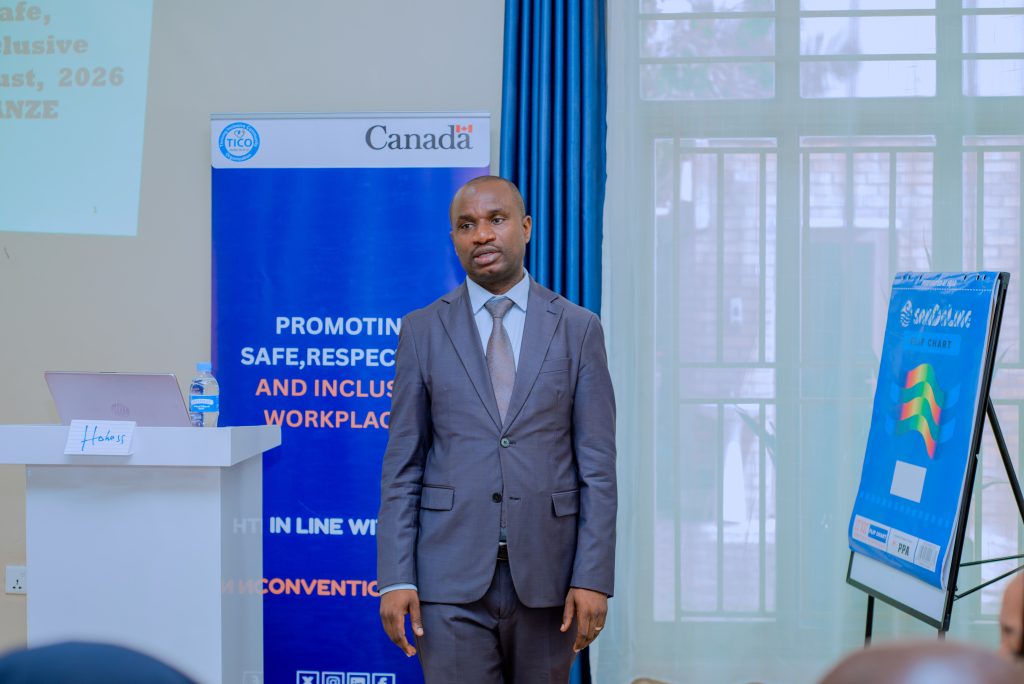
The second day of the training therefore focused heavily on practical responses. Participants discussed how workplaces can prevent violence and harassment, how complaints should be handled, and how people affected by such incidents can access appropriate support.
The training then took another practical step. Participants worked in groups using jigsaw techniques to develop workplace action plans. Each institution identified priority actions, responsible persons and ways to improve workplace policies, awareness and reporting mechanisms.
For TICO, the training was an opportunity to bring different voices around the same table.
Government representatives, employers, workers, civil society and other stakeholders each have different responsibilities, but the discussions showed that none of them can address workplace violence and harassment alone.
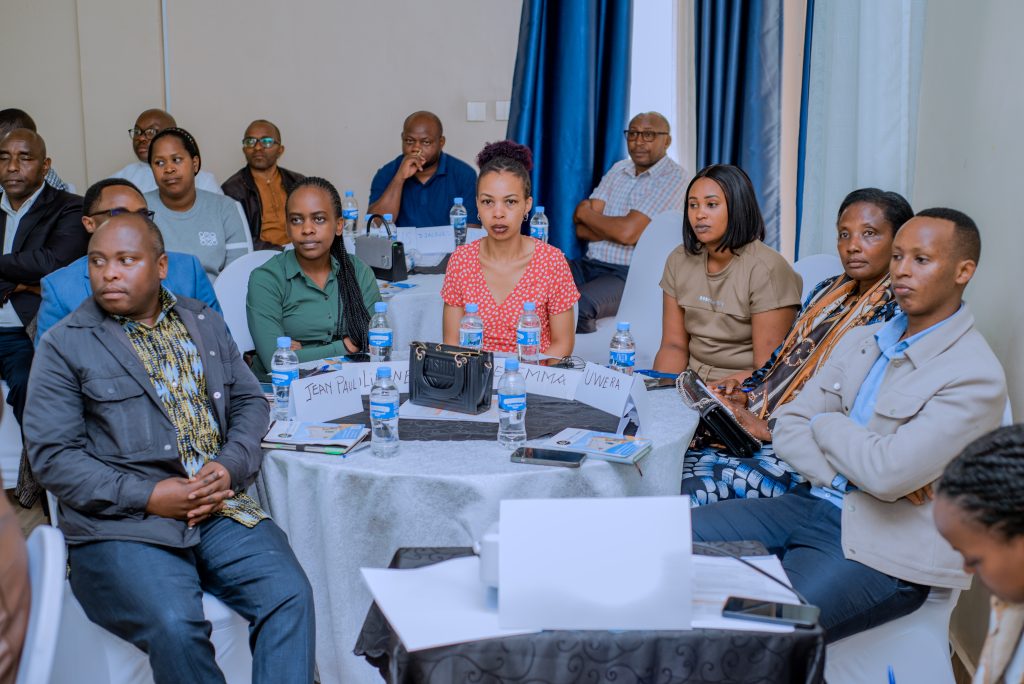
By creating a space for these stakeholders to learn, exchange experiences and identify practical solutions, TICO helped strengthen a shared understanding of the importance of safe and inclusive workplaces. The workshop also encouraged participants to look at what they can do within their own institutions rather than leaving the responsibility to others.
Participants identified several challenges that still need attention, including limited awareness, gaps in complaint mechanisms, fear of reporting, limited capacity to handle sensitive cases and lack of awareness about available support services.
They called for continued awareness and capacity-building activities, stronger workplace reporting systems, better coordination among stakeholders and follow-up support to help turn the action plans developed during the training into reality.
The workshop ended with more than new knowledge. It left participants with a clearer understanding of their responsibilities and the need to work together.
In her remarks, UWANYIRIGIRA Clarisse, Vice Mayor in Charge of Economic Development of Musanze District, emphasized the importance of collective responsibility in creating workplaces where everyone is treated with dignity and respect. She highlighted the need for continued awareness, stronger prevention measures and collaboration among government institutions, employers, workers and other stakeholders to address violence and harassment in the workplace.

Creating workplaces free from violence and harassment is not the responsibility of one organization, one employer or one institution. It is a shared responsibility.
Through its continued engagement with stakeholders, TICO remains committed to supporting efforts that promote dignity, equality, decent work and safe, respectful and inclusive workplaces.