16–18 September 2026 | Rwanda
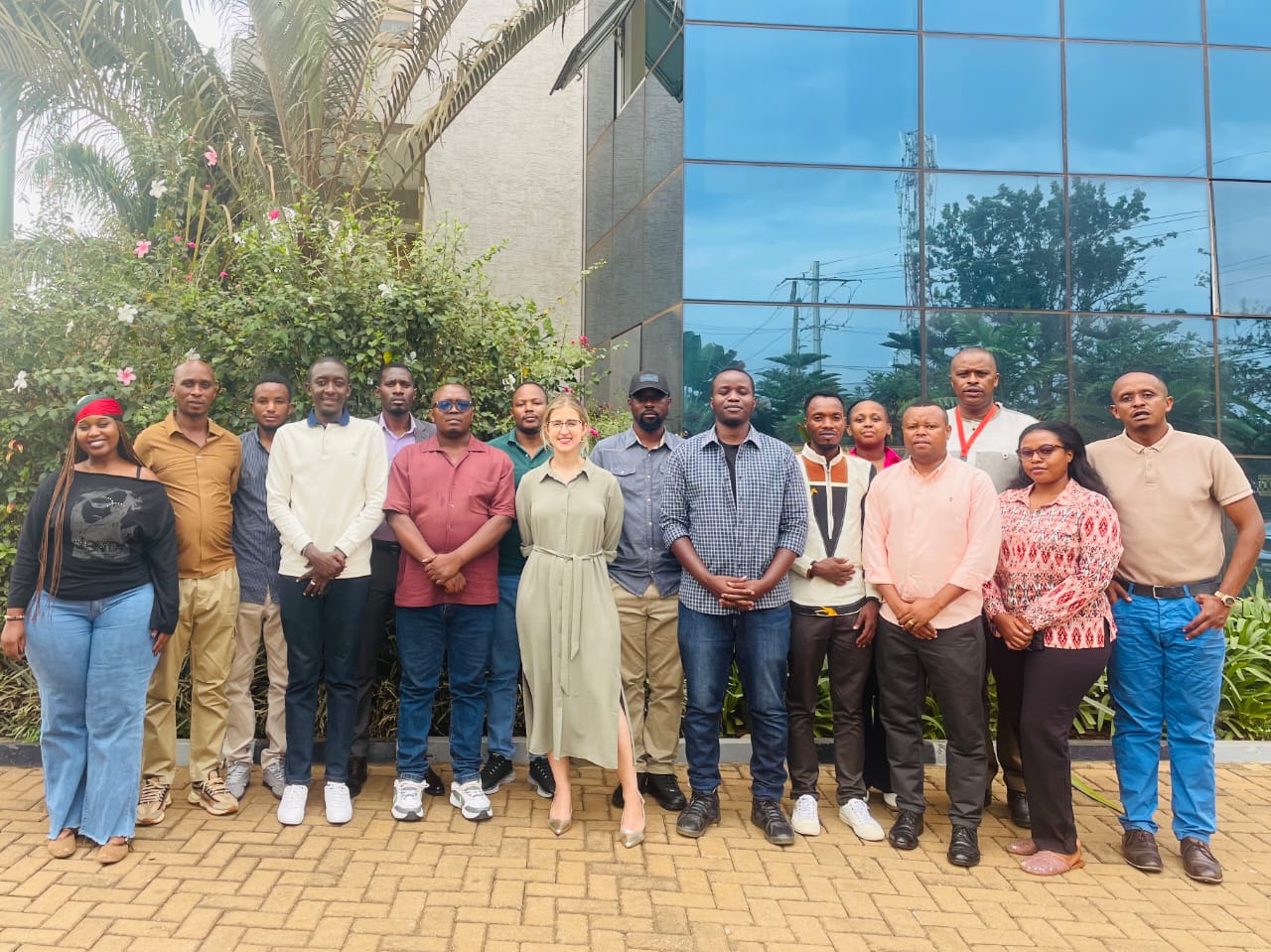
Thriving Inclusive Community Organization (TICO) participated in the first round of a three-day training on Financial Management and Institutional Capacity Development for Civil Society Organizations (CSOs), organized byGIZ Rwanda .
The training brought together representatives from GIZ Rwanda’s development partner organizations, including TICO, My Right Initiative Organization, and Hope and Care Organization. It aimed to strengthen participants’ knowledge and practical skills in financial management, institutional systems, internal controls, risk management, and organizational accountability.
The sessions were facilitated by Emmanuel, Mark and their colleague and combined presentations, practical examples, individual exercises, quizzes, group discussions, and experience sharing. This approach enabled participants to connect the concepts learned with real situations within their organizations.
The first day focused on financial manuals and financial procedures, highlighting their importance in guiding organizations in managing and controlling financial resources. Participants explored how clear policies, procedures, guidelines, and standardized forms can promote consistency, transparency, accountability, and compliance.
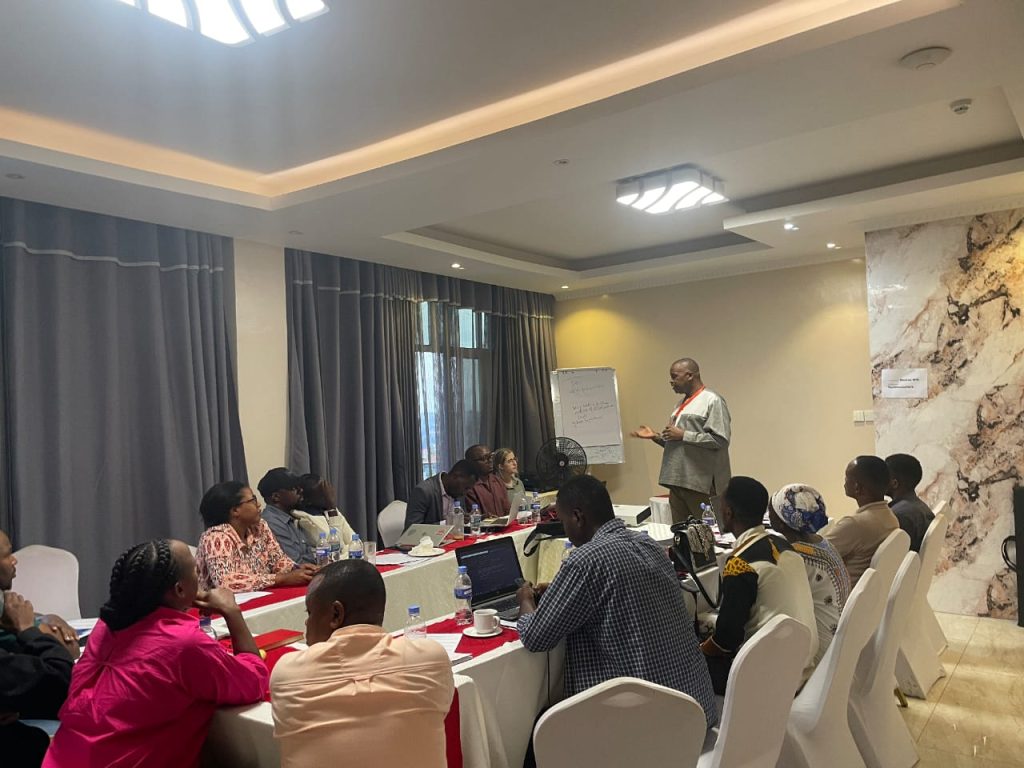
Key areas covered included budgeting, procurement, payroll, cash and bank management, fixed assets,grant and donor management. The training also emphasized the importance of segregation of duties, ensuring that financial responsibilities are appropriately distributed to reduce the risk of errors, unauthorized transactions, and misuse of resources.
The second day focused on financial internal controls, under the theme “Building Strong Controls for Reliable Financial Management.” Participants examined key control activities such as authorization, verification, reconciliation, documentation, supervision, and segregation of duties.
On the third day, participants were introduced to the COSO Internal Control Framework, focusing on its five interconnected components: control environment, risk assessment, control activities, information and communication, and monitoring activities.
Through group exercises, participants analyzed different scenarios, identified potential risks and control gaps, and proposed appropriate measures to address them. The sessions also highlighted the importance of effective communication within organizations, particularly in ensuring that accurate and timely information reaches the right people for informed decision-making.
The training provided TICO with practical lessons that can contribute to strengthening its institutional and financial management systems. Key areas for follow-up include reviewing financial and administrative procedures, strengthening standardized financial tools, clarifying approval responsibilities, improving segregation of duties, conducting regular risk assessments, strengthening documentation and filing systems, and continuously monitoring internal controls.
The three-day training provided an important opportunity for learning, peer exchange, and practical reflection among participating CSOs. The knowledge and tools gained are expected to support TICO in strengthening its internal systems, enhancing accountability, and promoting continuous institutional improvement.