Huye District, Rwanda | 3–4 November 2026
A person's right to earn a living should never come at the expense of their dignity, safety or well-being. Yet violence, harassment and discrimination remain challenges in the world of work, making worker protection an issue that demands more than policies on paper. It requires responsible employers, informed institutions and effective systems that safeguard the rights of everyone.
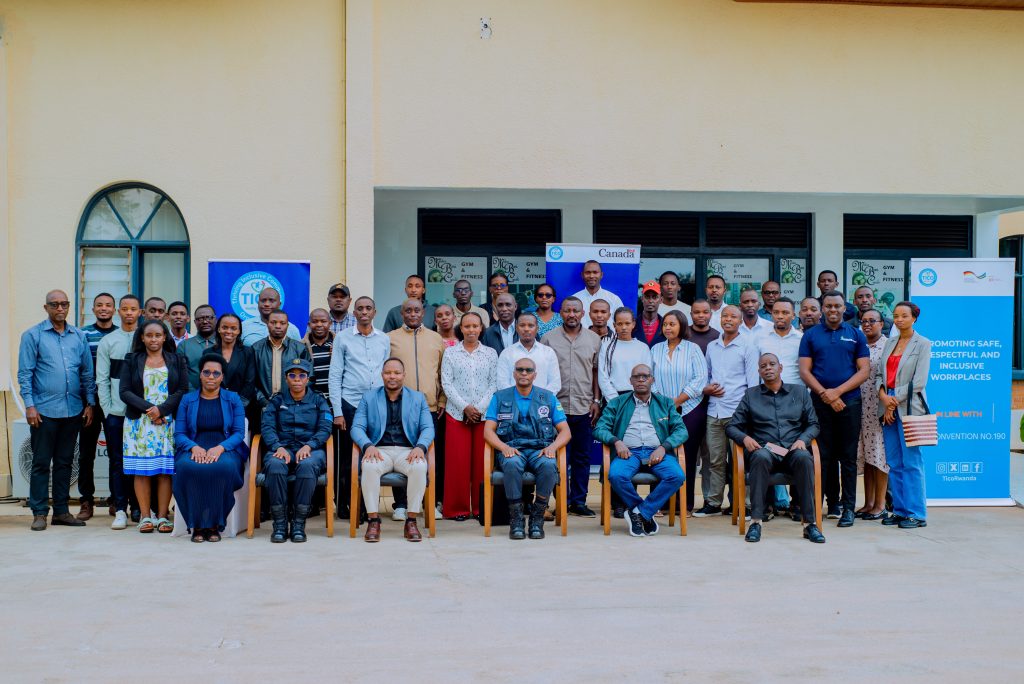
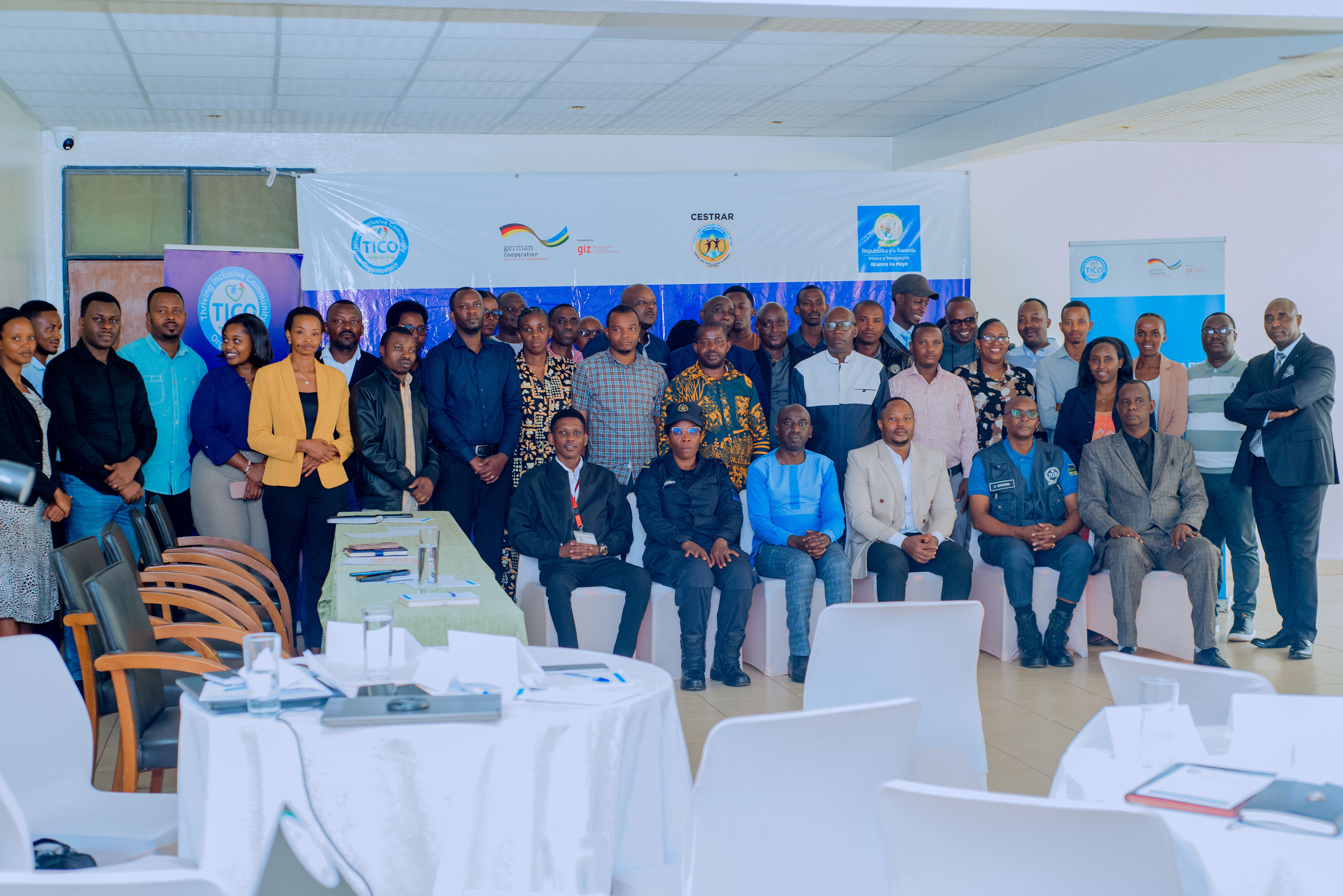
Addressing this need, Thriving Inclusive Community Organization (TICO), with support from GIZ Rwanda through the Right Based Program, organized a two-day Phase Two Stakeholder Training Workshop in Huye District on 3–4 November 2026 at Mater Boni Consilii. The engagement brought together 58 stakeholders including district leadership, security organs (Rwanda National Police (RNP) and (Rwanda Investigation Berou (RIB), employers, human resource professionals, church representatives, Workers trade union and other stakeholders to strengthen the implementation of International Labour Organization (ILO) Convention No. 190 (C190).
Building on the foundation established during Phase One, the second phase focused on practical ways of translating workplace rights into institutional practices, stronger employment arrangements and effective responses to violence and harassment.
Advancing a culture of workplace protection
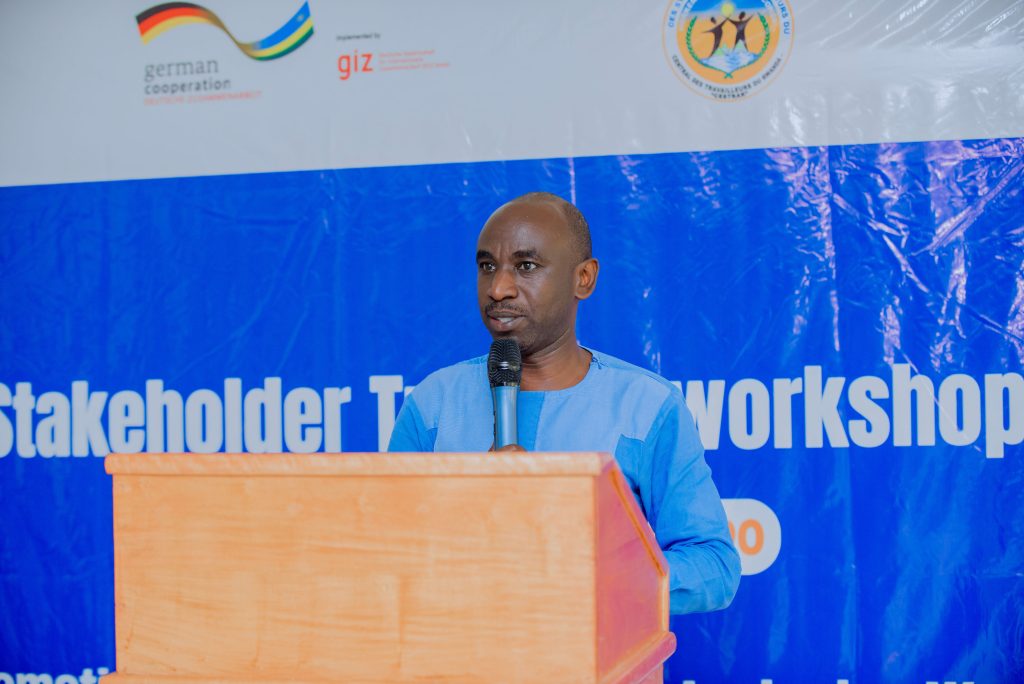
During the opening session, TICO's Executive Director, Mr. Egide HABINSHUTI, highlighted the importance of shared responsibility in preventing workplace violence and harassment. He called for stronger partnerships and practical responses that uphold the dignity and safety of workers, regardless of their backgrounds or circumstances.
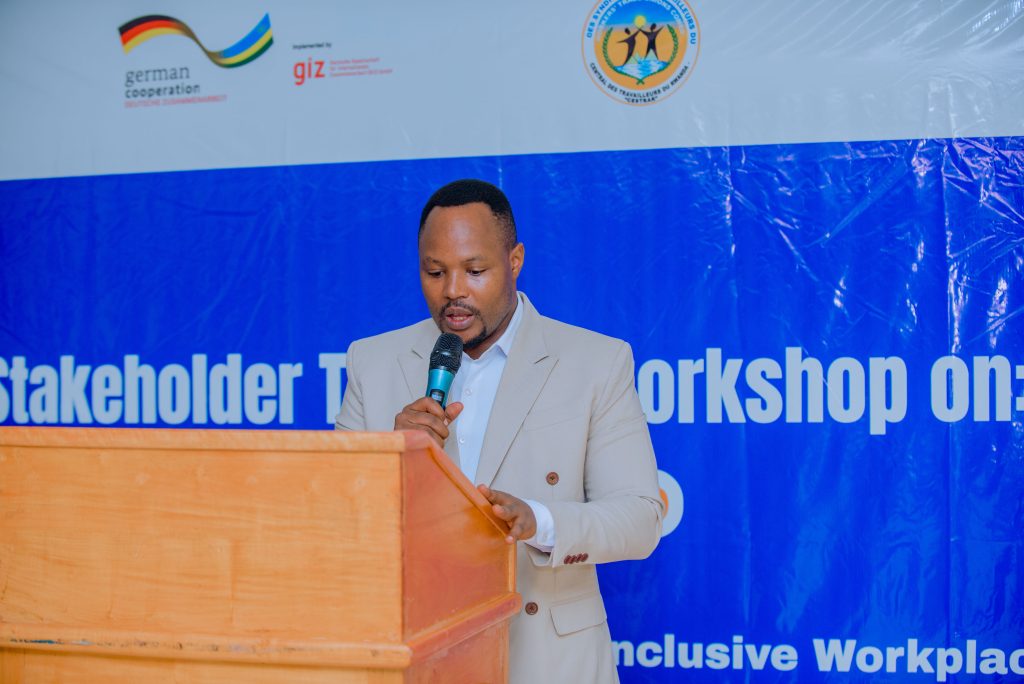
The workshop was officially opened by Mr. Mihanda Apollinaire, Acting Mayor of Huye District, who highlighted the benefits of implementing ILO Convention No. 190 for both employers and employees. He noted that safe working environments contribute to improved productivity, reduced workplace risks and better working conditions.
He encouraged participants to share the knowledge gained with colleagues, institutions and their wider communities. He also drew attention to the importance of formal employment arrangements, particularly urging workers in informal sector to seek written employment contracts as a means of strengthening their legal protection. Public and private institutions were further encouraged to organize regular awareness sessions on workers' rights and workplace responsibilities.
Addressing workplace risks through inclusion
The first day examined the principles, scope and relevance of ILO Convention No. 190 within Rwanda's labour context. Participants discussed different forms of violence and harassment, including physical, psychological, sexual and gender-based violence, discrimination and intimidation. They also examined the responsibilities of employers, workers, government institutions and workers' organizations in maintaining safe working environments.
On the second day, discussions on gender and intersectionality brought another important dimension to workplace protection. Participants examined how gender, age, disability, employment status and unequal power relations can combine to expose certain individuals to greater risks while limiting their ability to report abuse or access support.
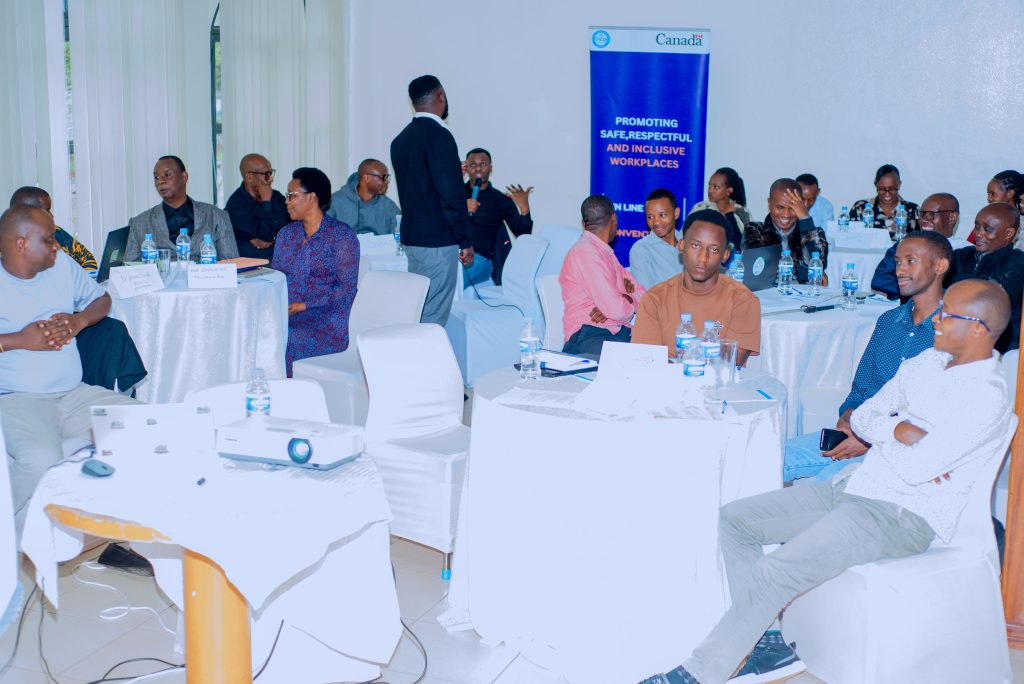
The protection of domestic workers also featured prominently. Participants recognized that workers in domestic employment deserve the same dignity, safety and protection as other workers. They highlighted the importance of accessible reporting channels through which domestic workers can raise concerns and seek assistance without fear.
Turning knowledge into practical commitments
Beyond understanding the Convention, participants examined the measures required to make its principles part of everyday workplace practice. Discussions covered workplace policies, risk assessments, accessible reporting channels, confidentiality, fair investigations and protection against retaliation.
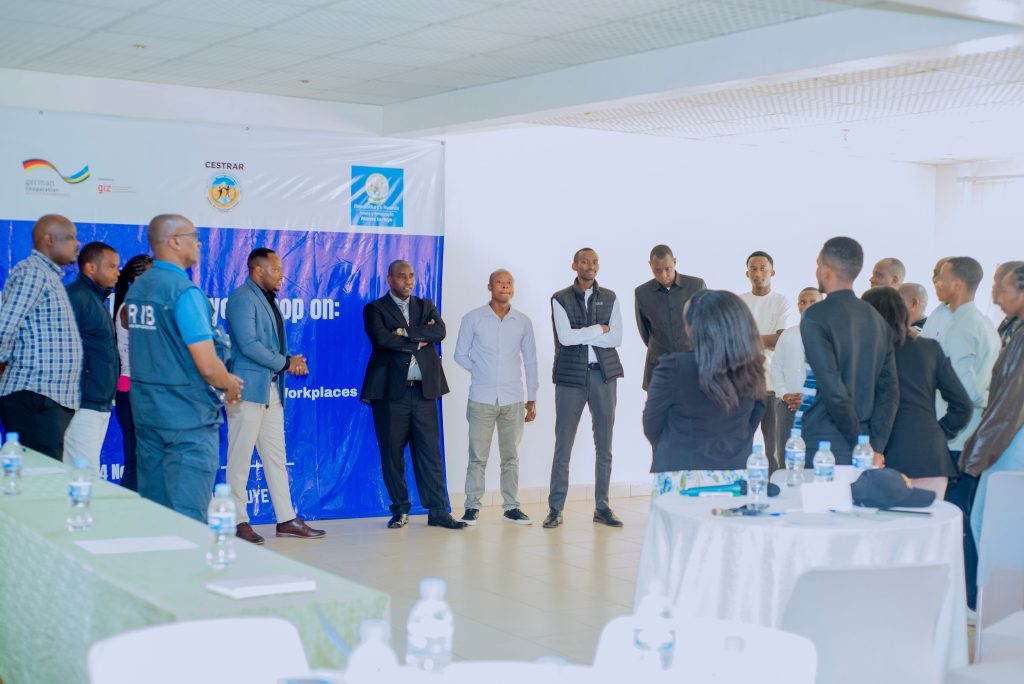
They also explored the importance of providing appropriate remedies and support to individuals affected by workplace violence and harassment, including access to justice, compensation, counselling and other support services.
One of the notable outcomes was the willingness expressed by participating employers to improve employment conditions and strengthen workers' social protection. Following discussions on formal employment arrangements, employers committed to providing written employment contracts and supporting access to insurance and social security coverage for their workers.
Keeping commitments alive beyond the workshop
The two-day engagement concluded with an evaluation exercise and reflections on the knowledge acquired. It provided an opportunity for stakeholders to consider how workplace protection can be strengthened within their respective institutions and areas of responsibility.
For TICO, advancing safe and inclusive employment environments remains an important part of our work towards decent work and social inclusion. Through our collaboration with GIZ Rwanda and local stakeholders, the organization continues to support efforts that strengthen workers' rights and promote greater accountability in the world of work.
The next important step is ensuring that the commitments made during the engagement translate into visible improvements in workplaces across Huye District.
Because decent work is not simply about having a job; it is about being able to work with dignity, safety and respect.