Kayonza District, Rwanda | 27–28 October 2026
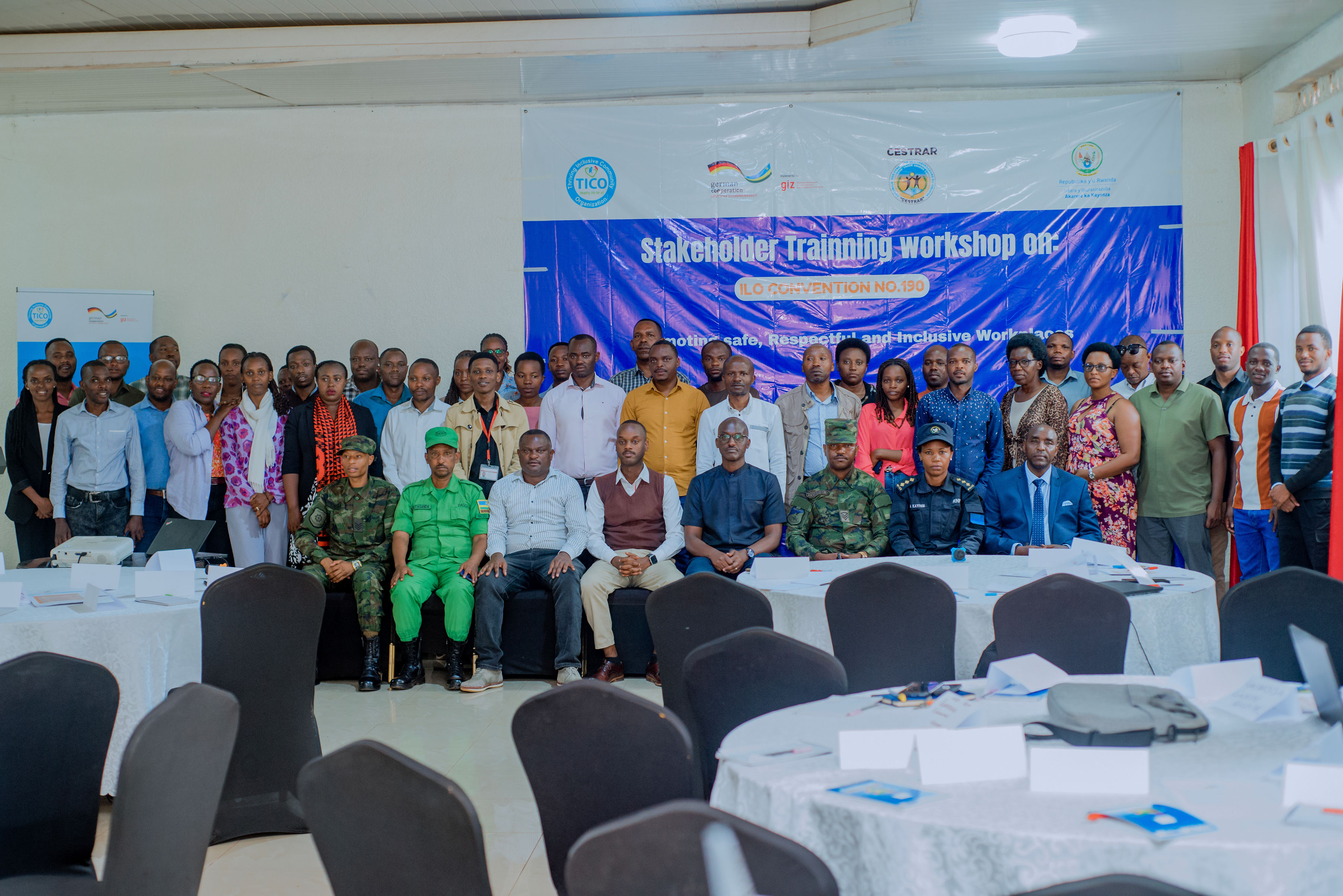
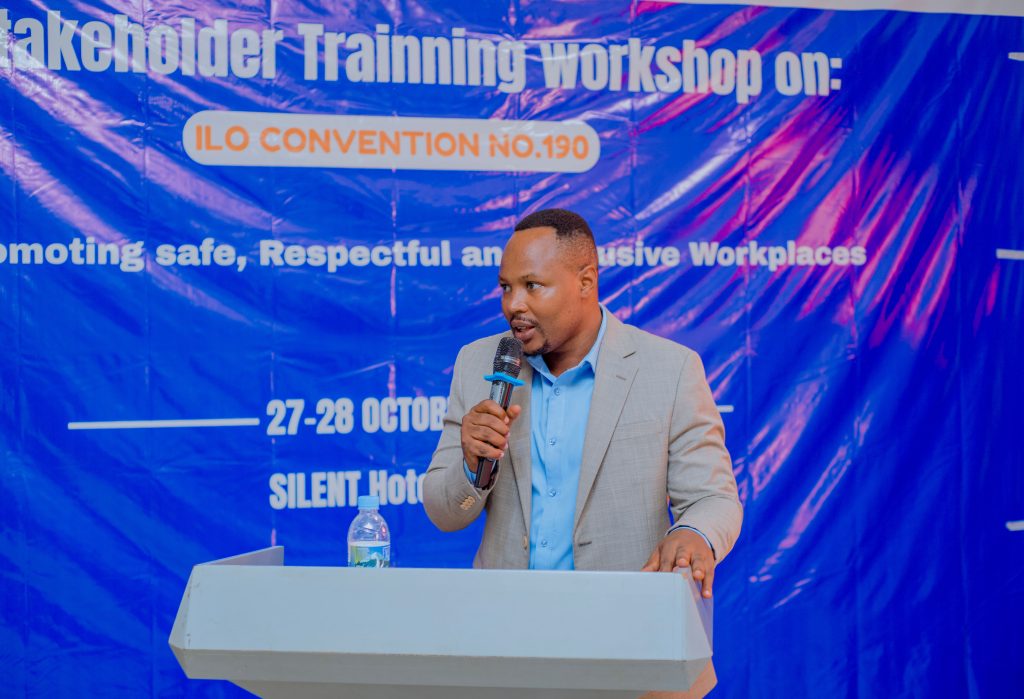
Creating workplaces free from violence, harassment and discrimination requires more than awareness of workers' rights. It calls for informed stakeholders, strong institutional responses and collective commitment. With this in mind, Thriving Inclusive Community Organization (TICO), in partnership with GIZ Rwanda, successfully conducted a two-day Phase Two Stakeholder Training Workshop on International Labour Organization Convention No. 190 (ILO C190) from 27–28 October 2026 at Silent Hill Hotel in Kayonza District.
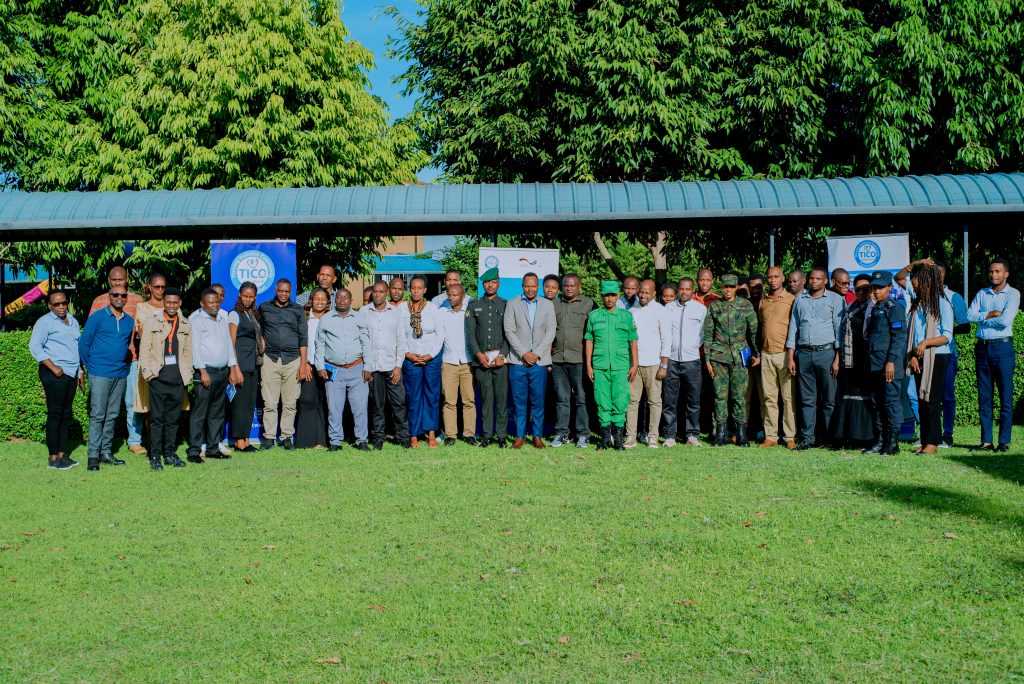
Building on the foundation established during the first phase, the workshop brought together 50 stakeholders including representatives of government institutions, security organs (Rwanda Defense Force (RDF), Rwanda National Police (RNP), Rwanda Investigation Bureau (RIB) and DASSO), as well as human resource professionals, managers and other relevant stakeholders. The engagement aimed to deepen participants' understanding of the Convention and strengthen their capacity to prevent and address violence and harassment in the world of work.
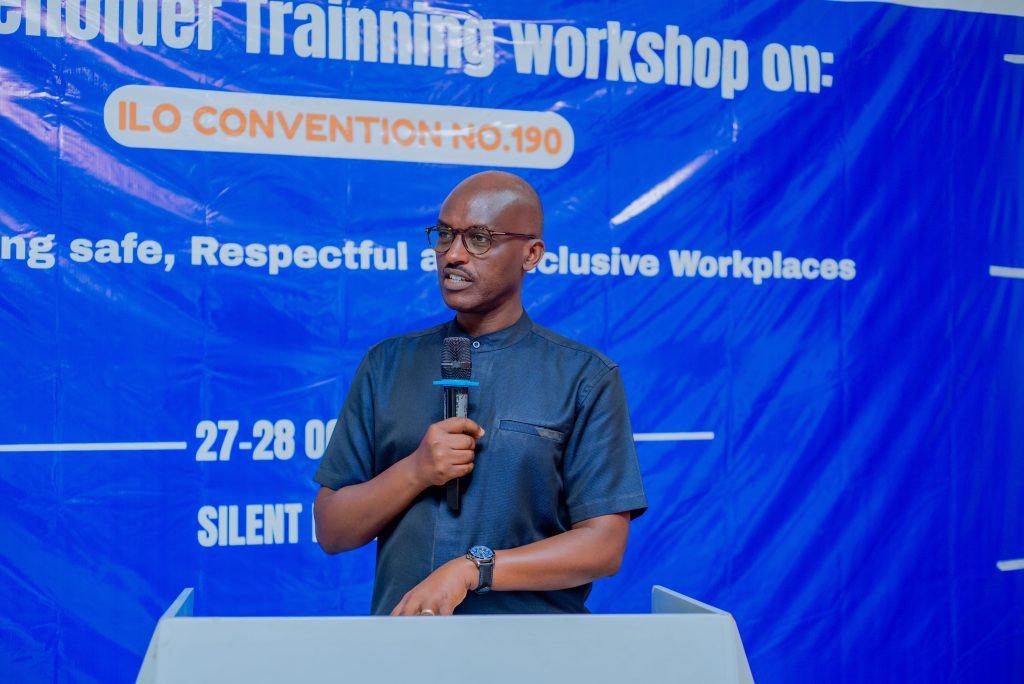
The workshop was officially opened by the Acting Vice Mayor of Kayonza District, Mr. Higiro Jules, who emphasized that violence and harassment have no place in the workplace. He highlighted the importance of understanding workers' rights and the legal frameworks that protect them, while encouraging participants to apply the knowledge gained within their respective institutions.
Understanding the Foundations of ILO Convention No. 190
The first day focused on the history, purpose, principles and significance of ILO Convention No. 190. Through interactive presentations and group discussions, participants explored the scope of the Convention, the different forms of violence and harassment it addresses, and the rights and responsibilities of workers, employers, governments and other relevant actors.
Discussions also examined the causes and risks of workplace violence and harassment, including barriers that prevent affected individuals from reporting incidents and accessing protection. Participants reflected on the importance of institutional responsibility and coordinated action in creating safe and respectful working environments.
Gender, Intersectionality and Institutional Responses
The second day began with a recap of the previous day's lessons, followed by discussions on Rwanda's labour laws, occupational safety and health framework, equality and non-discrimination measures, and their alignment with ILO Convention No. 190.
Particular attention was given to gender and intersectionality. Participants explored how factors such as gender, age, disability, employment status and unequal power relations can intersect to influence individuals' vulnerability to workplace violence and harassment. The discussions highlighted the importance of ensuring that workplace protection measures respond to different experiences and are accessible to all workers.
Participants also examined practical prevention strategies, including workplace policies, awareness-raising, risk assessments and leadership commitment. Further sessions strengthened their understanding of complaint-handling and investigation procedures, with emphasis on reporting mechanisms, confidentiality, accountability and the protection of affected persons.
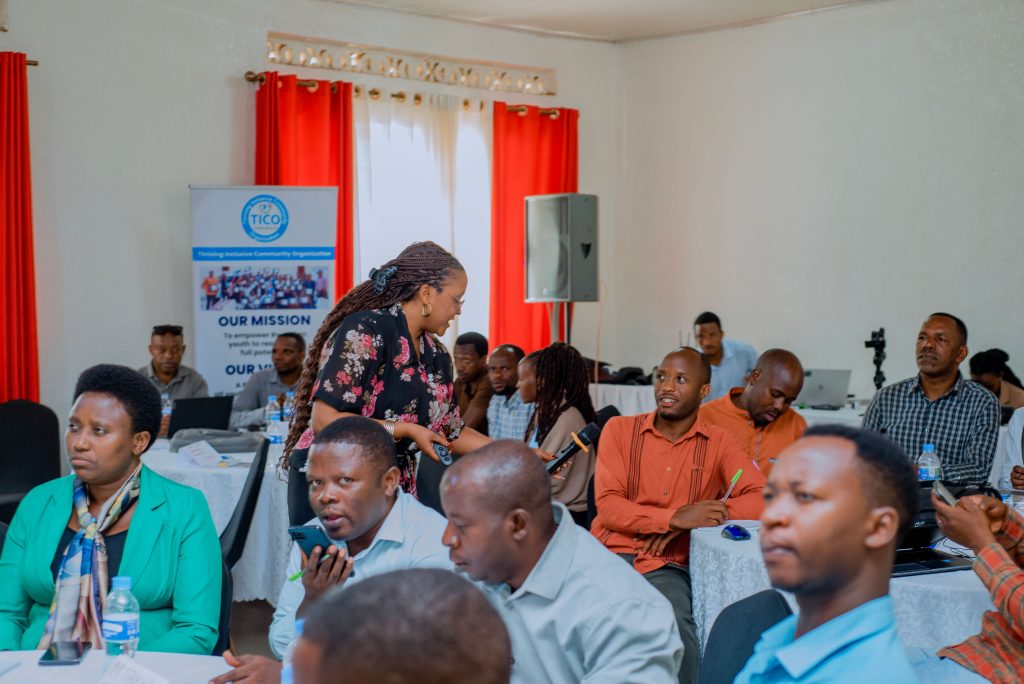
The training also addressed remedies and support services, including access to justice, compensation, sanctions, counselling and victim support. Through case studies, role plays and interactive discussions, participants explored how institutions can respond effectively to reported incidents while safeguarding the dignity and rights of those affected.
From Shared Responsibility to Practical Workplace Action
Recognizing that effective implementation requires collaboration, participants examined the roles of government institutions, employers, workers' organizations and labour inspectors in advancing ILO Convention No. 190. Through stakeholder discussions and group exercises, they explored the importance of social dialogue, institutional coordination and shared responsibility in preventing and addressing workplace violence and harassment.
A key outcome was the development of practical organizational workplace action plans. Through action-planning exercises, participants identified measures their institutions could adopt to strengthen prevention, improve awareness and establish effective response mechanisms. The post-training assessment also indicated improved understanding of the Convention, reinforcing the importance of continued capacity-building.
In his closing remarks, TICO's Executive Director thanked Kayonza District leadership, GIZ Rwanda, the facilitators and all participating stakeholders for their collaboration and valuable contributions. He emphasized that the knowledge gained should go beyond the training room and become a foundation for practical action. He called on stakeholders to take responsibility for translating their commitments into meaningful improvements that promote safety, mutual respect and inclusiveness in the workplace.
The Executive Director officially declared the workshop closed, reaffirming TICO's commitment to continued collaboration in advancing workplaces free from violence and harassment.
Through the two phases of stakeholder training in Kayonza, TICO continues to contribute to strengthening institutional capacity, promoting shared responsibility and supporting the implementation of ILO Convention No. 190 in Rwanda.